Technology encourages development of marine communities on concrete structures, helping increase biodiversity at marina.
New berths feature eco-friendly mooring systems designed to enhance integration of marina infrastructure with marine ecosystem, in line with latest coastal engineering trends.
Marina redevelopment programme features cutting-edge solutions designed to align yachting with conservation and enhance marine environment.
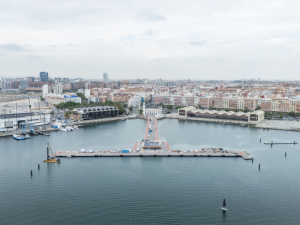
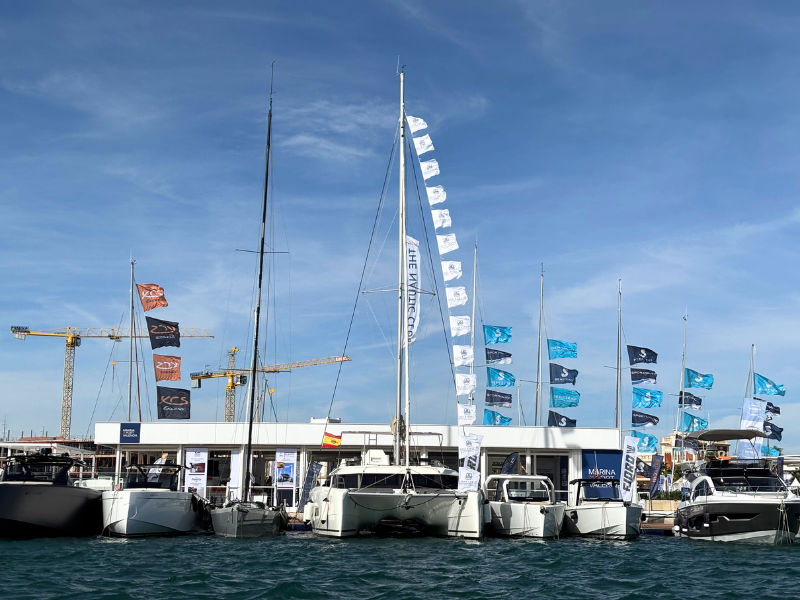
The redevelopment of Marina Port Valencia continues to gather pace. Covering both landside areas and waterside infrastructure, the construction project includes cutting-edge measures designed to improve the marina’s integration with the marine environment.
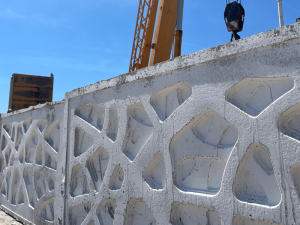
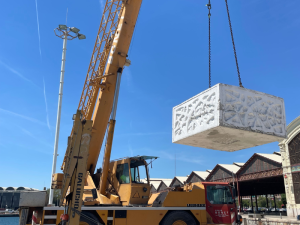
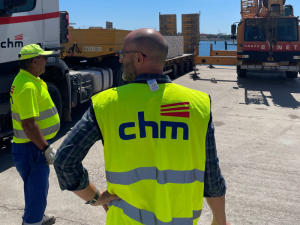
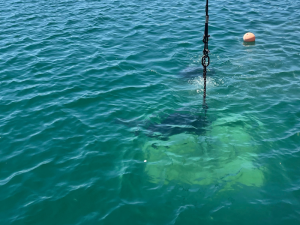
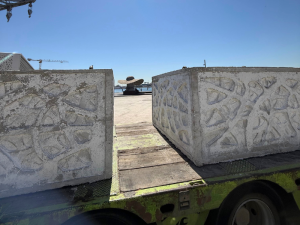
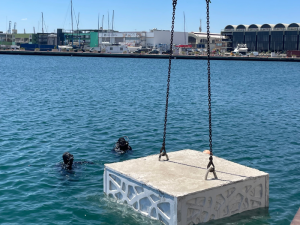
One recent milestone was the installation of new pontoon systems using eco-friendly mooring blocks, commonly known as “eco-moorings”. Designed to minimise the environmental impact of this infrastructure, they also encourage the colonisation of marine species. The blocks were built by CHM using technology developed by ECOncrete, which specialises in the design of nature-inclusive maritime infrastructure based on ecological engineering criteria.
Unlike conventional concrete blocks, these eco-moorings incorporate a surface design that encourages the settlement of marine organisms such as algae, sponges, anemones or small invertebrates. Over time, these biological communities enhance local biodiversity while forming a natural protective layer that helps protect the concrete from marine degradation, which in turn extends its service life. What’s more, the growth of calcifying organisms can contribute to carbon sequestration and help improve water quality all over the marina.
The use of these systems reflects a growing trend in coastal infrastructure development that combines functionality and durability with environmental considerations. The installation of these eco-friendly mooring blocks embeds sustainability into the project from the construction phase, reducing the marina’s environmental footprint while fostering a closer bond between yachting itself and marine ecosystems.
What’s more, the adoption of solutions such as these reflects the marina’s transition towards a more sustainable future. Against this backdrop, coastal conservation is taking on an ever more prominent role, inspiring innovative approaches to protect and enhance the marine environment.